
Lifestyle
5 Ayurvedic Ways to Improve Digestion After the Festive Season
Feeling heavy or bloated after festive indulgence? Explore five gentle Ayurvedic practices—from warm herbal tea and nourishing khichdi to mindful eating and light movement—to support digestive comfort and ease back into a balanced daily routine.
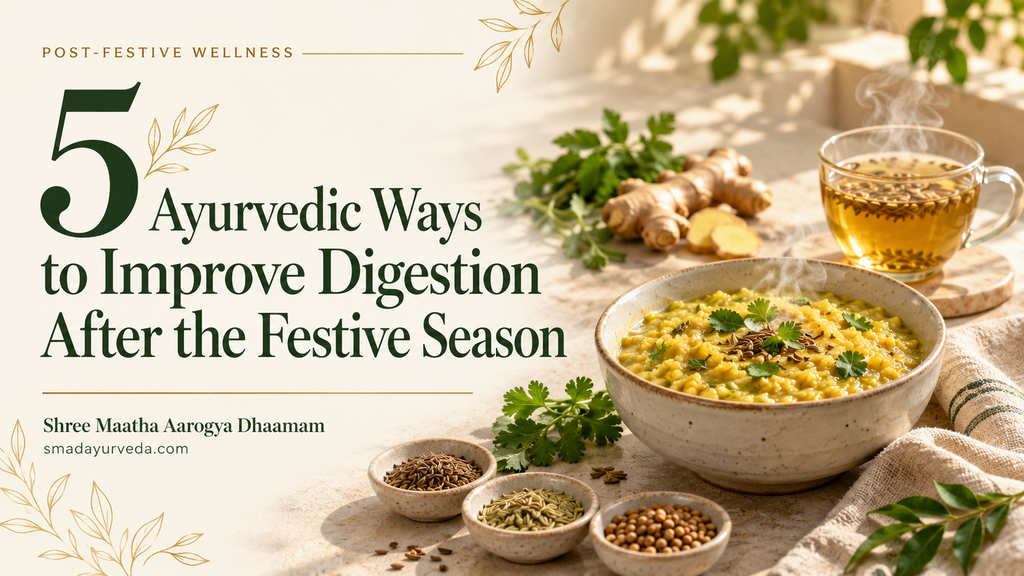
5 Ayurvedic Ways to Improve Digestion After the Festive Season
The festive season brings warmth, laughter, family gatherings, and tables laden with decadent feasts. From rich sweets like ladoos and gulab jamun to savory fried delights, festive eating is an integral part of celebration.
However, once the festivities conclude and daily routines resume, the aftermath often catches up with our bodies. You might experience persistent bloating, stubborn acid reflux, erratic bowel movements, skin breakouts, or a profound post-festive heaviness and brain fog.
In Ayurveda, these symptoms are clear signals that your digestive fire (Agni) has been overburdened and metabolic toxins (Ama) have begun accumulating. Rather than resorting to punitive crash diets or harsh synthetic cleanses, Ayurveda offers gentle, time-tested methods to rekindle digestion and restore internal equilibrium.
What Happens to Your Body After Festive Indulgence?
Ayurvedic physiology identifies Jatharagni (the primary digestive fire in the stomach and small intestine) as the cornerstone of vibrant health. When Agni is balanced, food is cleanly transformed into vital nourishment and immunity (Ojas).
During celebrations, a combination of factors challenges this delicate balance:
- Overloading capacity: Eating beyond the stomach’s natural capacity (Atibhojana).
- Heavy, incompatible foods: Rich dairy, refined sugar, and deep-fried foods smother the digestive spark like wet logs thrown onto a small fire.
- Irregular timings: Late-night dinners disrupt the body's natural circadian rhythms.
When Agni is dampened (Mandagni), undigested food ferments in the gastrointestinal tract, transforming into Ama—a sticky, cold, toxic residue that clogs the body’s micro-circulatory channels (Srotas).
The goal of post-festive Ayurvedic care is straightforward: dissolve Ama and gently rekindle Agni.
5 Ayurvedic Ways to Reset Your Digestion
1. Sip Warm CCF Tea (Cumin, Coriander, Fennel) Throughout the Day
Cold water constricts blood vessels and dampens a struggling digestive fire. Make the switch to sipping warm water infused with classical carminative seeds:
- The Recipe: Boil ½ teaspoon each of whole cumin seeds (Jeera), coriander seeds (Dhania), and fennel seeds (Saunf) in 1 liter of water for 5–7 minutes. Strain and store in an insulated flask.
- Why it works:
- Cumin stimulates the secretion of pancreatic enzymes and dispels trapped gas.
- Coriander cools inflammation, soothing excess acid and burning sensations in the stomach.
- Fennel acts as an antispasmodic, relieving intestinal cramping and flatulence.
Sip this mild infusion between meals to continuously cleanse cellular channels without irritating your stomach lining.
2. Kindle Agni Before Meals with Fresh Ginger & Rock Salt
If your appetite has completely vanished or feels sluggish, don't force-feed yourself a heavy meal. Instead, wake up your digestive enzymes 10 to 15 minutes before you sit down to eat:
- The Practice: Take a thin coin-sized slice of fresh ginger root, sprinkle a pinch of Himalayan pink rock salt (Saindhava Lavana), and chew it thoroughly.
- Why it works: Classical Ayurvedic texts praise ginger (Ardraka) as a universal medicine for its Deepana (appetite-stimulating) and Pachana (toxin-digesting) properties. Rock salt stimulates salivary glands and gastric juices, signaling your stomach that food is on the way.
3. Adopt a 2-to-3-Day Kitchari Mono-Diet
Extreme fasting or consuming only raw cold green juices can shock a sluggish digestive tract, aggravating Vata dosha and making bloating worse. Instead, give your overworked gut a functional rest with a mono-diet of Moong Dal Kitchari:
- What it is: A warm, comforting stew prepared with equal parts split yellow moong dal and white basmati rice, tempered with cumin, turmeric, ginger, and a small spoonful of pure A2 cow's ghee.
- Why it works: Yellow moong dal is the lightest of all legumes and provides an easily absorbable source of protein. Combined with white rice, it forms a complete amino acid profile that requires almost zero metabolic effort to break down, allowing the gut lining to repair itself and flush out residual Ama.
4. Reintroduce Gentle Movement and Post-Meal Vajrasana
Heavy post-festive lethargy often tempts us to lie down on the couch or take long naps after eating. In Ayurveda, daytime sleeping (Diva Swapna) immediately after meals causes an acute spike in both Kapha and toxic Ama.
- Practice Vajrasana (Thunderbolt Pose): Sit on your heels with an upright spine for 5–10 minutes immediately after eating. This is one of the only yoga postures recommended directly following a meal; it redirects blood flow straight to the pelvic and abdominal regions, accelerating digestion.
- Take 100 Gentle Steps (Shatapawali): Avoid vigorous exercise right after holidays, which can deplete your tissues. Instead, commit to a relaxed 10-to-15-minute stroll after lunch and dinner to promote natural gastric motility.
5. Allow Genuine Hunger Before Eating (Practice Laghuta)
One of the most profound principles in Charaka Samhita is to eat only when previous food has been completely digested. During festive periods, we often eat out of social habit or tempting aromas rather than biological need.
- Observe the signs of true hunger: A feeling of lightness in the stomach (Laghuta), clear belching (free from the taste or smell of previous meals), natural thirst, and mental clarity.
- If you do not feel hungry at breakfast, do not force it. Opt for a warm glass of water or herbal tea and wait until your midday lunch when your digestive fire naturally peaks alongside the sun.
- Avoid snacking between meals so your gut has an uninterrupted 4–5 hour window to process each intake.
Quick Comparison: What to Favor vs. What to Avoid
| Practice / Food | Favor (Post-Festive Reset) | Avoid (Temporary Pause) |
| Beverages | Warm boiled water, CCF tea, ginger-mint infusion | Iced water, aerated soft drinks, excess caffeine |
| Grains & Pulses | Split yellow moong dal, aged basmati rice, barley | Heavy rajma, chana, refined flour (maida), bakery products |
| Cooking Medium | Small amounts of digestive A2 ghee, sesame oil | Deep-fried foods, hydrogenated oils, heavy butter |
| Meal Rhythm | Light, warm, freshly prepared home meals | Leftovers, midnight snacking, erratic meal windows |
When to Seek Professional Ayurvedic Support
While minor post-festive sluggishness usually resolves with these simple dietary tweaks within a few days, persistent symptoms—such as severe acid reflux, chronic constipation, painful bloating, or debilitating fatigue—indicate that metabolic toxins have penetrated deeper tissue layers.
In such cases, a professional Ayurvedic evaluation and therapeutic therapies can safely restore internal balance.
Reset Your Gut Health with Shree Maatha Aarogya Dhaamam (SMAD)
AtShree Maatha Aarogya Dhaamam, we specialize in addressing chronic gastrointestinal disorders and metabolic imbalances through classical Ayurveda:
- Nadi Pariksha (Pulse Diagnosis): Pinpoint the exact root cause of your digestive disturbance and measure doshic imbalances.
- Personalized Gastro-Enterology Care (Kaya Chikitsa): Comprehensive clinical management for conditions like IBS, chronic acidity, sluggish metabolism, and fatty liver.
- Authentic Panchakarma Detox: Targeted purification therapies—including Virechana (therapeutic purgation) and gentle herbal Basti (enema therapies)—to permanently dislodge trapped metabolic toxins and reset gut vitality.
Give your digestive system the care it deserves. Visit our clinics in Hyderabad (Gachibowli & Secunderabad) or book an online consultation today atsmadayurveda.com.