
Wellness
Ayurveda for Autumn: 10 Simple Ways to Stay Healthy During the Seasonal Change
Embrace autumn with Ayurveda’s seasonal wellness practices. Discover how warm, nourishing foods, oil massage, mindful routines, and restful sleep can support balance and wellbeing, with personalized guidance from Shree Maatha Aarogya Dhaamam.
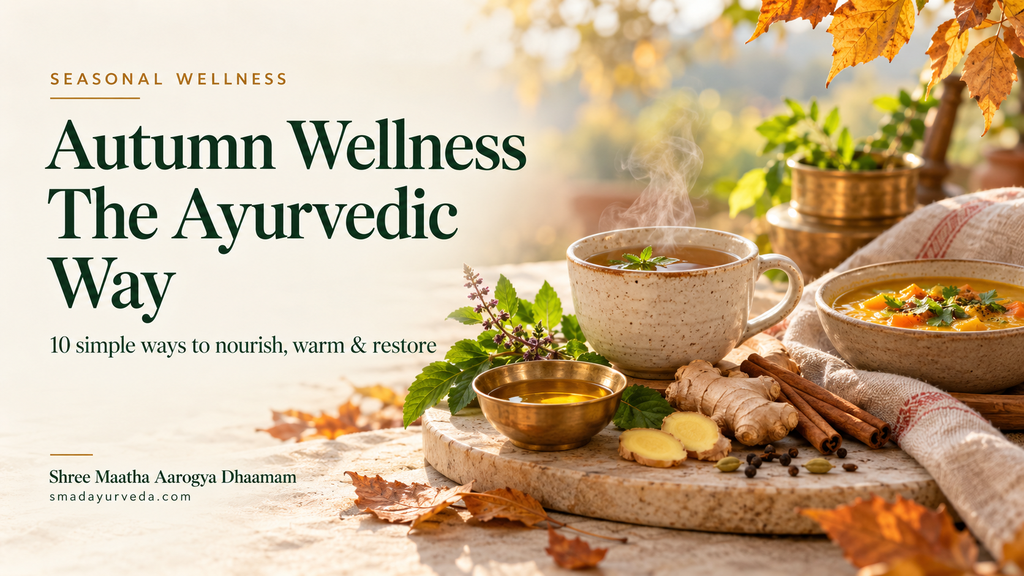
As the lingering warmth of summer gives way to crisp morning breezes and golden leaves, nature begins its quiet retreat inward. While this transition brings refreshing weather, you might also notice subtle shifts within your own body: drier skin, restless sleep, sluggish digestion, or a creeping sense of anxiety.
In classical Ayurveda, seasonal transitions (Ritu Sandhi) demand conscious shifts in our daily habits. Autumn bridges the warm rainy season with the dry cold of winter, making it a critical window to harmonize internal energies and safeguard our immunity (Ojas).
The Autumn Shift: Understanding the Doshas
Ayurvedic wisdom explains that autumn is primarily governed by Vata dosha (composed of air and ether elements) while simultaneously clearing the heat accumulated by Pitta dosha (fire and water) during the preceding summer months.
- Vata qualities: Dry, cold, light, rough, and mobile.
- Autumn effects: When dry autumn winds pick up, Vata increases inside us, manifesting as dry lips, cracking joints, constipation, racing thoughts, and lowered respiratory resistance.
- The antidote: Cultivating opposing qualities—warmth, nourishment, hydration, grounding, and steady routine.
By applying Ritucharya (Ayurvedic seasonal regimen), you can smoothly guide your body through this change without succumbing to seasonal fatigue or sickness.
10 Simple Ways to Stay Balanced and Healthy This Autumn
1. Nourish from the Inside with Warm, Cooked Foods
Cold salads, raw smoothies, and iced beverages aggravate both Vata and your digestive fire (Agni). Transition to comforting, freshly cooked meals.
- Favor naturally sweet, sour, and mildly salty tastes.
- Enjoy hearty vegetable soups, stewed apples with cinnamon, well-spiced dals, and traditional root vegetables like sweet potatoes and carrots.
- Cook with a teaspoon of pure A2 cow’s ghee to lubricate internal tissues and support nutrient absorption.
2. Practice Daily Oil Massage (Abhyanga)
The cool, dry winds strip your skin of its natural moisture barrier. Self-massage with warm cold-pressed sesame oil or medicated oils before your morning shower is one of the most grounding practices for autumn.
- It calms the central nervous system, relieving anxiety and stress.
- It improves peripheral circulation and keeps joints supple.
- Follow your massage with a warm (not scorching) shower to allow the oil to penetrate deeply.
3. Sip Warm Water and Herbal Infusions
Hydration in autumn is about absorption, not just volume. Cold or iced water dampens your digestive fire and increases dry Vata.
- Keep a thermal flask of warm boiled water infused with a slice of fresh ginger, cumin, or fennel seeds.
- Herbal teas with licorice (Yashtimadhu), holy basil (Tulsi), and cinnamon help keep mucous membranes moist and soothe scratchy throats.
4. Protect Your Respiratory Tract with Nasya
The nasal passage is considered the gateway to the head and consciousness in Ayurveda (Nasa hi shirso dwaram). Dry air irritates the sinuses and makes them prone to seasonal infections.
- Apply 1–2 drops of warm sesame oil or classical Anu Taila inside each nostril every morning after brushing your teeth.
- This lubricates nasal passages, filters environmental dust, and prevents dry sinus headaches.
5. Anchor Your Day with a Grounding Routine (Dinacharya)
Because Vata is inherently erratic and fast-moving, an irregular schedule is its biggest aggravator. Counter balance this by introducing steady anchors:
- Wake up and sleep at consistent times every day.
- Eat your meals at regular intervals, having your largest, most nourishing meal around midday when digestive power peaks.
- Avoid erratic multitasking; focus on deliberate, grounded pacing.
6. Keep Your Midsection and Extremities Warm
Autumn weather can be deceptive—sunny mid-afternoons often pivot to brisk, chilly evenings. In Ayurveda, sudden cold drafts directly disturb Vata.
- Keep a light scarf handy to protect your neck and ears from cool gusts.
- Wear warm socks at home to prevent cold from entering through the soles of your feet.
7. Gentle, Grounding Movement over Exhausting Workouts
High-intensity, frenetic workouts can further deplete your reserves during a season that calls for conservation.
- Shift toward grounding Yoga asanas: gentle hip openers, forward bends, Warrior poses (Virabhadrasana), and Mountain pose (Tadasana).
- Practice Nadi Shodhana (alternate nostril breathing) for 5–10 minutes daily to quiet an overstimulated nervous system and balance brain hemispheres.
8. Prioritize Early, Restful Sleep
With days growing shorter, your circadian rhythm naturally prompts you to wind down earlier. Burning the midnight oil depletes Ojas (vital immunity) and spikes mental Vata.
- Unplug from digital screens at least 60 minutes before bed.
- Sip a small cup of warm spiced milk (dairy or almond) simmered with a pinch of nutmeg, cardamom, and turmeric to ease into restorative sleep.
9. Build Seasonal Immunity with Adaptogenic Herbs
Autumn is the time to reinforce your body's defense shield before the deep cold sets in:
- Chyawanprash: A spoonful of classical herbal jam packed with Amla (Indian gooseberry) helps sustain lung health and vitality.
- Ashwagandha: Acts as a premier adaptogen, strengthening muscle tone, balancing cortisol, and promoting restful sleep.
- (Always consult a qualified Ayurvedic physician before beginning concentrated herbal formulations).
10. Consider an Autumn Panchakarma Detox
Classical Ayurveda recommends seasonal cleansing during transitional periods. As the summer heat that accumulated in the tissues begins to provoke inflammation or sluggishness, therapies such as Virechana (therapeutic purgation) or Basti (medicated enema therapy) gently expel trapped toxins (Ama).
Undergoing a supervised detox resets your metabolic fire and leaves you resilient for the approaching winter months.
Welcome Autumn with Mindful Alignment
Seasonal wellness is not about drastic overhauls; it is about subtle, intuitive adjustments that honor nature's rhythms. By slowing down, warming your meals, and nourishing your skin and mind, you create a sturdy foundation for vibrant health throughout the colder months.
Experience Classical Ayurvedic Care at Shree Maatha Aarogya Dhaamam (SMAD)
If you are experiencing persistent seasonal fatigue, digestive disturbances, joint stiffness, or heightened anxiety, a personalized assessment can help identify your underlying doshic imbalance.
AtShree Maatha Aarogya Dhaamam, our experienced Ayurvedic physicians provide:
- Nadi Pariksha (Pulse Diagnosis): In-depth assessment to identify root-level doshic imbalances.
- Authentic Panchakarma Therapies: Personalized detox protocols including Abhyanga, Shirodhara, and specialized rejuvenation packages (Rasayana).
- Holistic Lifestyle & Diet Counseling: Tailored to your unique Prakriti (constitution).
Visit our clinics in Hyderabad (Gachibowli & Secunderabad) or explore personalized therapies online atsmadayurveda.com.