
Lifestyle
Abhyanga: How Ayurvedic Oil Massage Supports Relaxation, Sleep & Well-Being
Discover Abhyanga, the Ayurvedic ritual of warm oil massage that may support relaxation, restful sleep, and softer skin. Explore its traditional benefits, tips for choosing an oil, and simple steps for a soothing self-care routine at home.
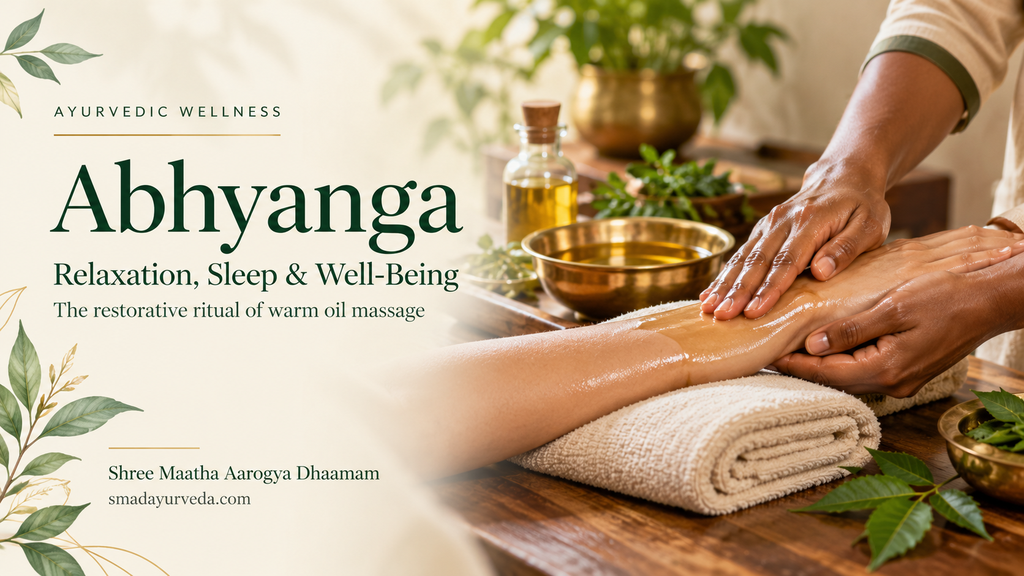
In our hyper-connected, high-paced world, sensory overload and constant multitasking have become the default setting. The result? A nervous system locked in chronic fight-or-flight, characterized by restless nights, dry skin, tight shoulders, and mental burnout.
While modern wellness often reaches for synthetic sleep aids or quick-fix spa treatments, classical Ayurveda offers a foundational therapy designed to deeply nourish the mind and body: Abhyanga.
Far more than a simple massage, Abhyanga is the ritualistic application of warm, herb-infused oils over the entire body. In Sanskrit, the word for oil—Sneha—is the exact same word used for "love," "tenderness," and "affection." When you receive or practice Abhyanga, you are quite literally enveloping your physical and energetic body in deep, restorative care.
The Science of Touch: How Abhyanga Calms the Nervous System
According to the classical text Ashtanga Hridaya, making Abhyanga a consistent habit confers profound physiological benefits:
"Abhyangam acharet nityam sa jara shrama vataha..."
(One should practice daily oil massage; it wards off aging, relieves exhaustion, and subdues Vata dosha.)
From an Ayurvedic perspective, chronic stress, overthinking, and insomnia are driven by an aggravated Vata dosha. Composed of the air and ether elements, Vata is naturally cold, dry, light, rough, and mobile. When out of balance, it manifests as anxiety, restless legs, cracking joints, and racing thoughts at 2:00 AM.
Warm herbal oil acts as the ultimate physical and energetic antidote to Vata:
- Warmth counters cold chills and muscular spasms.
- Unctuousness (heaviness/oiliness) lubricates dried-out tissues and skin.
- Rhythmic, grounding strokes calm the hyperactive nervous system.
Scientifically, gentle rhythmic pressure on the skin stimulates sensory mechanoreceptors, signaling the brain to dial down cortisol production and release oxytocin—the body's master hormone for relaxation, emotional connection, and recovery.
4 Core Pillars of Well-Being Supported by Abhyanga
1. Inducing Deep, Restorative Sleep (Nidra)
If you suffer from fragmented sleep or struggle to "switch off" your mind, the nervous system requires physical grounding before bedtime.
- Abhyanga pacifies the erratic winds of Prana Vayu (the sub-dosha governing mental activities).
- Massaging key marma points (vital energy intersections) on the scalp (Shiro Abhyanga) and soles of the feet (Padabhyanga) activates parasympathetic tone, facilitating a rapid transition into REM and deep non-REM restorative sleep phases.
2. Nourishing the 7 Tissues (Dhatus) and Anti-Aging
The skin is the largest organ of absorption. Classical Ayurveda teaches that when warm oil is massaged into the skin with sustained strokes, its lipophilic nutrients penetrate through the epidermal barrier over several minutes, nourishing successive tissue layers:
- It keeps the connective tissue and joints supple (Majja Dhatu).
- It stimulates peripheral blood circulation, flushing cellular metabolic waste (Ama).
- It fortifies the skin’s natural lipid barrier, preventing premature aging, wrinkles, and persistent dryness.
3. Lymphatic Flow and Gentle Detoxification
Unlike aggressive deep-tissue bodywork that can sometimes bruise or inflame exhausted muscles, Abhyanga utilizes long, flowing strokes directed along the natural path of circulation toward the heart. This promotes lymphatic drainage, reducing morning puffiness, moving sluggish fluids, and assisting the body's natural cellular cleansing processes.
4. Grounding Emotional Resilience and Mood Stability
When you are depleted, emotional boundaries wear thin. The physical act of applying warm, heavy oil forms a tangible barrier between your sensory organs and external environmental stressors. Many people report feeling "re-anchored in their own skin" immediately following a session.
Choosing the Right Oil for Your Body Constitution (Prakriti)
The oil used in Abhyanga acts as the therapeutic carrier (Anupana). Selecting the right base oil tailored to your dominant dosha ensures optimal balance:
| Dosha / Imbalance | Characteristics / Needs | Recommended Base Oil | Classical Herbal Formulations |
| Vata | Dry skin, cold hands/feet, anxiety, stiff joints, insomnia | Warm, unctuous Sesame Oil or Almond Oil | Mahanarayana Taila, Dhanwantharam Taila, Kshirabala Taila |
| Pitta | Sensitive skin, inflammation, excess body heat, irritability | Cooling Coconut Oil or Sunflower Oil | Ksheerabala Taila, Brahmi Taila, Chandanadi Taila |
| Kapha | Oily skin, water retention, heaviness, lethargy | Light, warming Mustard Oil or Sesame Oil (used sparingly) | Eladi Taila, Kottamchukkadi Taila |
How to Practice Self-Abhyanga at Home: A 5-Step Evening or Morning Ritual
While clinical Abhyanga performed by experienced therapists offers deep systemic benefits, a 15-minute home practice creates an accessible sanctuary of calm:
- Warm the Oil: Place 2–3 tablespoons of your chosen oil into a small glass bottle or stainless steel bowl. Submerge the container in a bowl of hot water for 3–5 minutes until pleasantly warm to the touch (never microwave oil).
- Begin at the Crown: Start with your scalp (Shirodhara effect at home). Use fingertips to massage small circular patterns into the crown and temples to release mental tension.
- Long Limbs, Circular Joints: Apply oil generously to the body. Use long, sweeping strokes on the long bones of your arms and legs, and circular clockwise strokes over joints (shoulders, elbows, wrists, hips, knees, and ankles).
- Gentle Abdominal Care: Massage the abdomen in a clockwise circular motion—following the natural path of the colon—to stimulate digestion and ease trapped gas.
- Honor the Feet (Padabhyanga): Spend extra time on the soles of the feet. The soles house hundreds of nerve endings and marma points linked directly to restful sleep and sensory relaxation.
Tip: Leave the oil on your skin for 15–20 minutes to allow the tissues to absorb it. Follow with a warm shower. Avoid harsh chemical soaps; use a gentle herbal wash or traditional chickpea/green gram powder (Ubtan) to remove excess surface oil while locking in moisture.
Clinical Abhyanga: The In-Clinic Panchakarma Difference
While home self-massage is an essential daily hygiene practice (Dinacharya), Clinical Abhyanga administered in an authentic Ayurvedic setting operates on an entirely different therapeutic plane:
- Synchronized Two-Therapist Strokes: Administered in synchrony by trained Ayurvedic therapists using specific classical pressure grades.
- Potent Medicated Decoctions: Prepared with multi-herb classical oils simmered for days over controlled fires to optimize bio-availability.
- Herbal Steam Therapy (Swedana): Followed immediately by an individualized steam box session, opening cellular micro-channels (Srotas) to sweat out deep-seated toxins while driving therapeutic lipids deep into tissues.
Restore Your Equilibrium at Shree Maatha Aarogya Dhaamam (SMAD)
If you are carrying chronic stress, dealing with persistent sleeplessness, or feeling disconnected and fatigued by seasonal shifts, therapeutic Abhyanga offers an immediate path back to balance.
AtShree Maatha Aarogya Dhaamam, our qualified physicians and experienced panchakarma therapists provide authentic, classical body therapies across our specialized clinics:
- Nadi Pariksha (Pulse Diagnosis): Accurately detect Vata-Pitta imbalances and assess systemic toxicity before therapy begins.
- Specialized Abhyanga & Swedana: Authentic full-body therapeutic treatments utilizing doctor-formulated classical oils tailored to your body type.
- Complementary Therapies: Pair your massage with Shirodhara (warm medicated oil stream on the forehead) for severe insomnia, or Kati/Janu Basti for localized spinal and joint stiffness.
Step away from daily chaos and experience deep restorative care. Visit our centers in Gachibowli and Secunderabad, or book an appointment online atsmadayurveda.com.